Eliminated Overhead Hazards
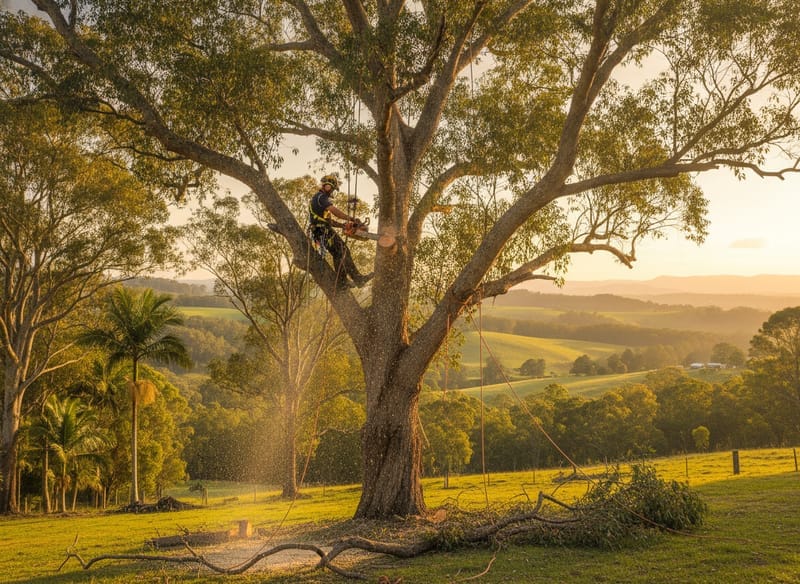
Remove unstable broken limbs that can fall without warning in subsequent winds.
Complete storm cleanup, hazardous branch removal, and insurance claim documentation.
Restoring storm-affected properties across Millbank and Bundaberg.
When summer thunderstorms or east coast lows tear through the Burnett region, storm damage tree removal Millbank properties require skilled arborist teams. We clear shattered canopies, remove fallen trunks from fences, and safely extract hung-up branches.
Millbank sits on flat alluvial ground that softens rapidly during major rain events. Summer thunderstorms with heavy wind gusts frequently cause root plate lifting and severe canopy tears in mature Poinciana and Jacaranda trees throughout the suburb.
Remove unstable broken limbs that can fall without warning in subsequent winds.
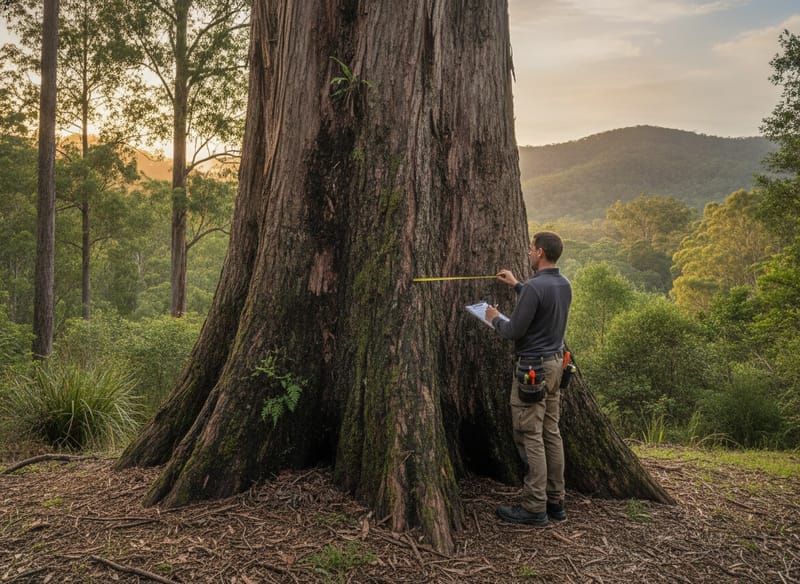
Receive clear, itemised documentation and photo evidence to support your claim.
Quickly return your property to a clean, usable condition free of dangerous green waste.
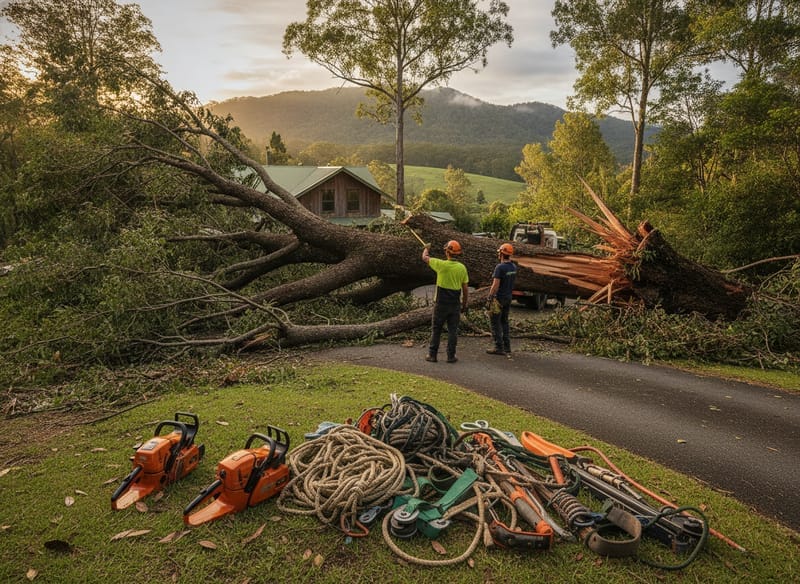
We evaluate all storm damage, identify tension points in fallen timber, and establish safe zones.
Hung branches and weight resting on fences or buildings are systematically cut and relieved.
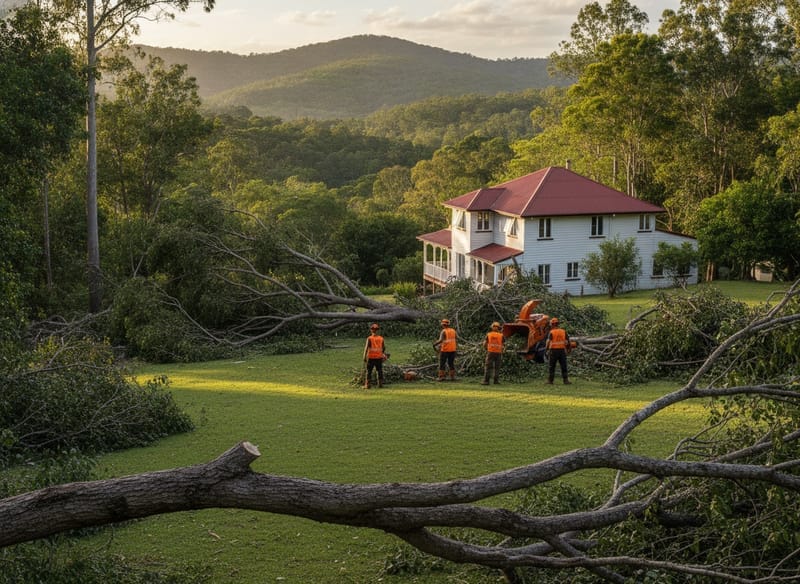
Our commercial chipper processes brush while heavy logs are cut and loaded for transport.
We rake fine debris from your lawn, sweep driveways, and supply full documentation.
When wild weather hits Bundaberg, property owners need fast, reliable action to protect their homes and families. Saturated soils on the Burnett flood plain, combined with fierce summer winds from east coast lows and ex-tropical cyclones, often result in severe root-plate failures and shattered canopies. If you are dealing with a fallen Hoop Pine or a snapped Mango tree, our team provides professional Storm Damage Tree Removal Millbank residents can trust to secure their properties safely. We understand the unique pressures of post-storm cleanup. Following the devastating Burnett River flood of March 2026, we have been working tirelessly across the region to make properties safe. Millbank’s older residential blocks often feature narrow side boundaries and mature, heavy-canopied trees, making specialised access and experienced arborists essential. Whether a Moreton Bay Fig has dropped a massive limb onto your driveway or a dead Jacaranda is leaning dangerously towards your roof, our climbers and ground crew are equipped to handle it safely. We prioritise emergency make-safe operations, bringing the right trucks, chippers, and expertise directly to your door.
After a severe coastal low or summer storm, the temptation to fire up a hired chainsaw and tackle the mess yourself is incredibly high. However, DIY storm cleanup is exceptionally dangerous. Fallen trees and hung-up limbs—often referred to as widow-makers—are highly unpredictable. When trees fall, their timber is put under immense tension or compression. One wrong cut can cause a massive trunk to barber-chair or a heavy branch to spring back with lethal force.
Undertaking Storm Damage Tree Removal Millbank without professional training and heavy equipment often leads to further property damage or severe personal injury. Furthermore, under-qualified operators frequently resort to dangerous topping or lopping techniques on standing damaged trees. This completely ignores AS4373 pruning standards, leaves ugly, decaying stubs, and promotes weak epicormic regrowth that is virtually guaranteed to fail in the next big storm.
Our team brings fully qualified AQF Level 3 climbing arborists and heavy-duty processing gear to every single site. We know exactly how to read tensioned timber and safely dismantle compromised trees. We focus on a proper, AS4373-compliant approach that ensures your property is cleared safely, without exposing you to additional risks or long-term liabilities.
When severe weather shatters canopies across the Bundaberg region, safely dismantling compromised timber requires specialised gear and proven arboricultural techniques. Here is how our team handles complex storm recovery jobs across Millbank and surrounding suburbs.
We walk the property to tag trees by priority. Immediate hazards threatening homes, power lines, or critical access paths are addressed first, followed by secondary hung-up limbs and general fallen debris cleanup.
Using high-performance ground chainsaws like the MS500i and MS461, we carefully relieve compression and tension in windthrown trunks, preventing unpredictable snapping or rolling during the complex cutting process.
Millbank properties often feature narrow gaps between classic heritage homes. We utilise advanced rope-access climbing techniques and spider lifts to reach dangerous canopies without relying on heavy wheeled machinery that could damage soft ground.
Saturated flood-plain soils lead to entire tree failures. We safely detach the trunk while managing the immense weight of the uprooted stump, ensuring the root-plate settles safely back into the cavity without crushing nearby fencing.
Once the hazards are pieced down, we use powerful 12-inch capacity wood chippers to process limbs into mulch on-site. We then utilise skid steers and loader cranes to load heavy timber into tipper trucks for complete removal.
When a severe storm strikes Bundaberg, our response is structured, safe, and highly efficient. We start with a make-safe response. We dispatch our team to secure immediate hazards that are directly threatening your roof, overhead power lines, or main access paths. Getting the site stabilised is always our first priority. Next, we conduct a thorough triage and quotation process. We assess all affected trees across your block, capturing comprehensive pre-work photo evidence which is highly valuable for your insurer. We provide a detailed, line-by-line quote so there are no hidden surprises—just clear, transparent communication from our team. Once approved, we deploy the right gear for the specific conditions. Whether the job requires top-handle climbing saws like the MS201T for hung-up branches, or heavy tippers and mini-loaders for bulk timber removal, we have the specialised fleet to handle it efficiently. Executing Storm Damage Tree Removal Millbank requires immense precision, particularly on established blocks. Our climbers safely piece down the damaged timber, ensuring nothing falls onto unaffected structures. Finally, we chip all suitable debris, cut larger logs into manageable pieces if requested, and thoroughly rake the site clean, restoring total safety to your property.
Safety is the absolute foundation of our storm response operations. Our field crews are led by AQF Level 3 climbing arborists, and we strictly adhere to AS4373 (Pruning of Amenity Trees) standards for the restorative pruning of any damaged but salvageable trees. We completely reject unsafe lopping or topping practices. Every storm job is backed by full public liability and WorkCover insurance, protecting your property entirely while we manage high-risk removals. When required for complex hazard assessments or detailed insurance claims, our AQF Level 5 consulting arborist can provide comprehensive reports, ensuring all work meets rigorous industry safety benchmarks and local regulatory requirements.
Millbank's location on the Burnett flood plain means the suburb is highly exposed during extreme wet weather events and summer cyclones. Following the catastrophic Burnett River flood of March 2026, a state disaster clearing exemption remains active until 9 March 2027. This crucial exemption allows residents in the Bundaberg Regional Council area to remove fallen timber and clear immediate hazards without standard council approvals. Under normal conditions, or for non-emergency preventative work, we must carefully navigate the Bundaberg Regional Council Planning Scheme 2015. Properties in Millbank and nearby Bundaberg South or Central often fall under the Heritage and neighbourhood character overlay or the Biodiversity areas overlay code. Whether you need to remove a storm-wrecked backyard Mango tree or a massive Hoop Pine that has become a severe hazard, our team understands the local compliance landscape inside out. We document every job with clear before-and-after photos to ensure your emergency clearing is fully justified, compliant, and legally sound.
Once the immediate storm debris is completely cleared, the remaining standing trees on your property require careful monitoring. High winds often cause hidden micro-fractures in large branches that may not fail until weeks after the initial storm event. We strongly advise property owners to watch for signs of delayed damage, such as localised leaf dieback, weeping bark, or subtle lifting around the root plate. If you notice any concerning changes in your retained trees, contact our team for a follow-up inspection. Moving forward, scheduling regular, AS4373-compliant formative pruning before the summer storm season is the most effective way to reduce canopy wind resistance and protect your home.
Storm cleanup costs depend on the volume of fallen timber, structural impacts, and equipment needs.
We provide upfront, itemised quotes suitable for insurance assessments and private works.
We provide comprehensive storm damage recovery across Millbank and surrounding suburbs.
Contact our team for prompt, professional storm damage tree cleanup and make-safe works.
Get a Free Quote