Lower Canopy Profile
Reduces the total height and spread of large trees without destroying their natural shape.
Professional height reduction, selective canopy containment, and proper crown thinning for overgrown trees in Bundaberg West.
Servicing Bundaberg West, Norville, Millbank, and surrounding Bundaberg areas.
Property owners searching for tree lopping in Bundaberg West are generally looking to manage trees that have grown too tall, block too much sunlight, or threaten overhead wires.
In older Bundaberg West streets, trees planted decades ago can easily outgrow tight residential blocks. While traditional lopping ruins tree health and causes structural decay in our humid climate, our selective canopy reduction achieves the clearance and size control you want without creating future storm hazards.
Reduces the total height and spread of large trees without destroying their natural shape.
Properly cut branches seal naturally, stopping internal fungal rot and brittle epicormic shoots.
Opens the sky over solar systems and pools while maintaining shade for your home.
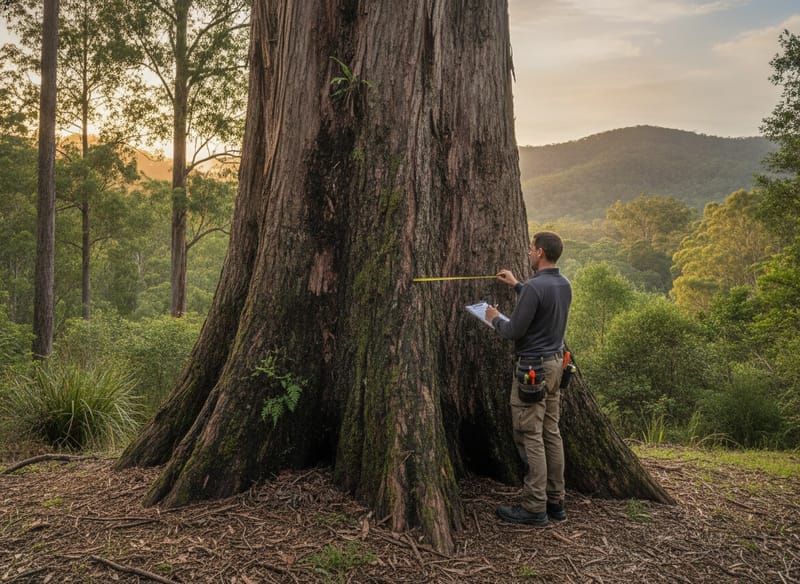
We inspect the tree and discuss your height and clearance goals for your Bundaberg West yard.
We select the appropriate lateral growth points to shorten the canopy safely under AS4373.
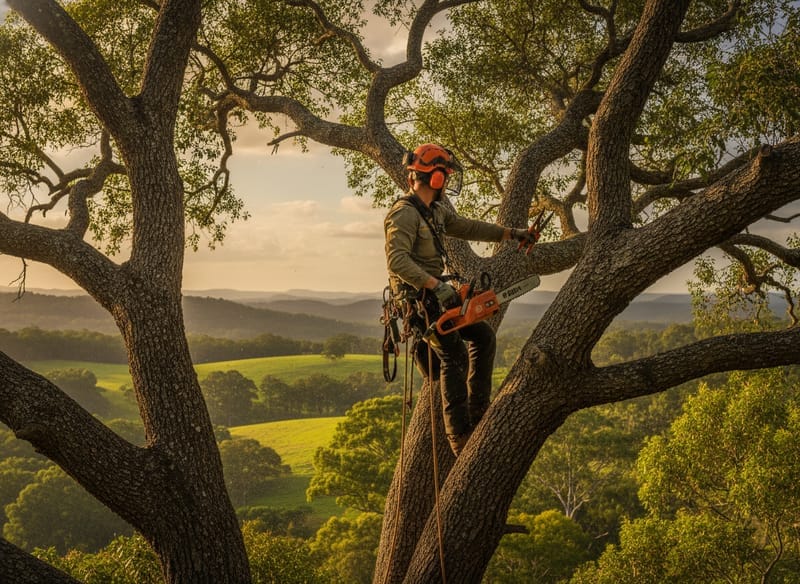
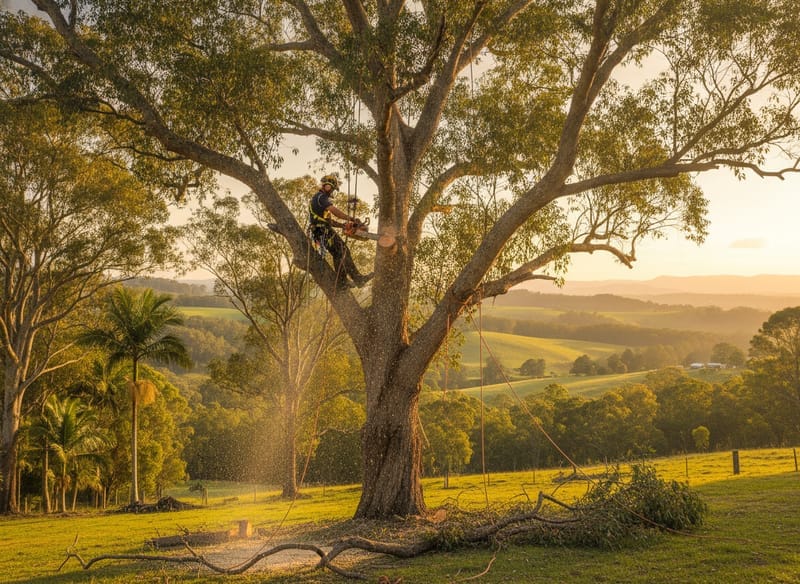
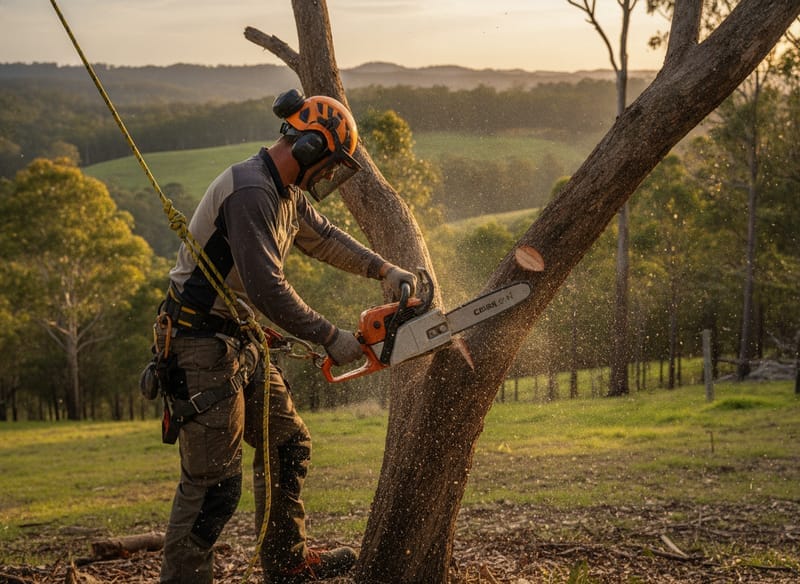
Our climbers work through the canopy with light chainsaws, lowering limbs cleanly.
Branches are processed on site, garden beds are cleared, and the yard is swept clean.
When old backyard mango trees drop heavy shade over your Queenslander roof, or a massive street-side Poinciana starts pushing its way into the powerlines, you need a plan to bring them back down to size. We understand that established properties here carry big timber, and managing that canopy is a constant job in our fast-growing subtropical climate. As the team you call for professional Tree Lopping Bundaberg West, we know that keeping your trees manageable doesn't mean hacking them to pieces. Whether you are prepping for the harsh summer storm season, mitigating the risk of heavy limb drop, or simply trying to get some winter sun back into your yard, reducing the size of your trees is vital work. Our skilled climbers and ground crew specialise in bringing overgrown canopies back under control safely. We focus on effective, long-lasting canopy reduction that respects the health of the tree while giving you your space, sunlight, and peace of mind back.
The old-school approach to "lopping" usually involved an unqualified bloke with a chainsaw simply cutting the top off a tree to make it smaller. While that technically makes the tree shorter for a few months, it creates a massive, highly dangerous, and expensive problem for you in the near future. When a tree is topped or heavily lopped, it goes into shock. To survive, it responds by pushing out weak, fast-growing shoots known as epicormic growth. Because these new branches are weakly attached to the outer bark rather than structurally integrated into the core wood, they are incredibly prone to snapping. During our heavy summer thunderstorms and East Coast Lows, these weakly attached limbs are the first to crash through your roof or fence. Furthermore, large, flat topping cuts leave the trunk completely exposed to rot, decay fungi, and termites, which thrive in Bundaberg's humid climate. That is exactly why our approach when providing Tree Lopping Bundaberg West services strictly follows the AS4373 (Pruning of Amenity Trees) standards. We do not just blindly hack branches. Instead, we use targeted pruning techniques that reduce the size and spread of your tree without destroying its structural integrity or condemning it to an early death. By making precise, considered cuts at the branch collar, we allow the tree to heal over the wound naturally. The result is a smaller, safer tree that looks natural, aggressively resists storm damage, and won't require emergency removal a few years down the line because of deep internal decay.
When you ask us to "lop" a tree to make it smaller, we assess the best horticultural method to achieve your goal safely. Here are the specific techniques our arborists use to reduce your trees without destroying them:
This is the correct, standard-compliant alternative to topping. We reduce the overall height and spread of the tree by carefully cutting the ends of branches back to a suitable internal lateral limb. Under AS4373 guidelines, we ensure we remove no more than 25–30% of the live foliage in a single prune, preserving the tree's energy reserves and natural shape while achieving the smaller profile you need.
Often, a tree feels too large simply because its lower limbs are encroaching on your living space. Crown lifting involves removing the lowest branches to provide clear vertical space. This is highly effective for improving clearance for pedestrians, vehicles, or older Bundaberg homes where space between boundaries is tight, without compromising the upper canopy.
Rather than attacking the whole tree, we target specific problem branches that are encroaching on roofs, dropping excessive debris into your gutters, or growing precariously toward overhead service lines. We perform clean branch collar cuts that isolate the problem without putting the entire tree into shock.
By selectively removing secondary branches throughout the interior of the crown, we reduce the density of the tree. This allows wind to pass right through the canopy rather than hitting it like a solid sail, dramatically reducing the risk of uprooting or limb failure during summer storms, while simultaneously letting more dappled light hit your lawn.
Every successful project starts with a detailed, on-site inspection by our qualified arborists. We visit your property to properly assess the tree's health, its structural integrity, its location relative to your home, and any specific access challenges like tight side gaps or overhead powerlines. We then provide a clear, upfront quote outlining exactly what cuts we will make, the method we will use, and how much canopy we will carefully remove. On the day of the job, our climbers arrive equipped with top-handle climbing saws and advanced rigging gear. Because the older parts of Bundaberg West feature narrow access paths between classic Queenslanders, we frequently rely on advanced single-rope and double-rope climbing techniques. This allows us to access high canopies securely without needing heavy elevated work platforms that could damage your soft lawns or simply not fit down the driveway. Our team meticulously rigs and lowers each cut limb to the ground on ropes, ensuring nothing free-falls into your roof, fences, or garden beds. As the timber comes down, the ground crew processes these limbs through our high-capacity wood chippers, keeping the site safe and clear. Once the required height reduction and shaping are complete, we rake and blow down your entire yard. We pride ourselves on leaving your property absolutely spotless. We cart away all the green waste in our tipper trucks, or if you prefer, we can leave the fresh mulch behind for you to spread on your garden beds.
Canopy work at heights requires serious discipline and rigorous training. Our crews include AQF Level 3 qualified arborists for all climbing, rigging, and chainsaw operations, ensuring every single cut we make meets strict AS4373 standards. We also have AQF Level 5 consulting arborists available if your project requires formal tree reports or tree protection zone planning for council approvals.
We operate fully covered by public liability insurance and WorkCover. Working suspended over roofs and near boundary fence lines means there is zero margin for error. Our rigorous safety systems protect you, your property, and our team on every job. From executing complex rope-access rigging to organising traffic management on busy local streets, we have the tickets, the heavy gear, and the experience to do the job safely and legally.
Tree management in our region is guided by the Bundaberg Regional Council Planning Scheme 2015. While there is no blanket tree preservation order over all private residential land, older suburbs like Bundaberg West often feature properties that fall under the Heritage and neighbourhood character overlay. If your property backs onto a creek or reserve area, your trees might also trigger the Biodiversity areas overlay code, making certain pruning work assessable. We understand the local species that define our urban canopy here. Huge backyard Mangoes, historic Moreton Bay Figs, and fast-growing Jacarandas frequently require professional canopy reduction to keep them safe and manageable. Tall Hoop Pines also need very careful assessment before any major climbing work is undertaken. Importantly, following the Burnett River flood of March 2026, a disaster clearing exemption remains live until March 2027. If storm-damaged or highly hazardous branches threaten your home, this exemption allows for necessary hazard reduction. Our local team knows exactly how to document this work to keep you compliant with state regulations while securing your property.
Even proper, standard-compliant pruning leaves a tree slightly stressed as it seals off its wounds. In our subtropical climate, the hot and wet conditions will quickly stimulate recovery. We highly recommend giving your tree a deep, slow water around the drip line in the weeks following a major canopy reduction to help it bounce back.
Keep an eye on the cuts; a healthy tree will naturally form a "doughnut" of bark to seal these over. Because we use proper AS4373 techniques, your tree will not produce a wild mess of dangerous epicormic shoots, meaning it won't need to be cut again for several years. Simply give our team a call when you eventually notice the branches starting to encroach on your roofline or powerlines once more.
Pricing for canopy and height reduction in Bundaberg West reflects tree volume, access, and rigging requirements.
We provide clear, upfront written quotes detailing the work without hidden fees.
We provide canopy reduction and tree management across Bundaberg West and surrounding regional suburbs.
Talk with our qualified arborists about safe alternatives to rough tree lopping.
Get a Free Quote