Safe Property Access
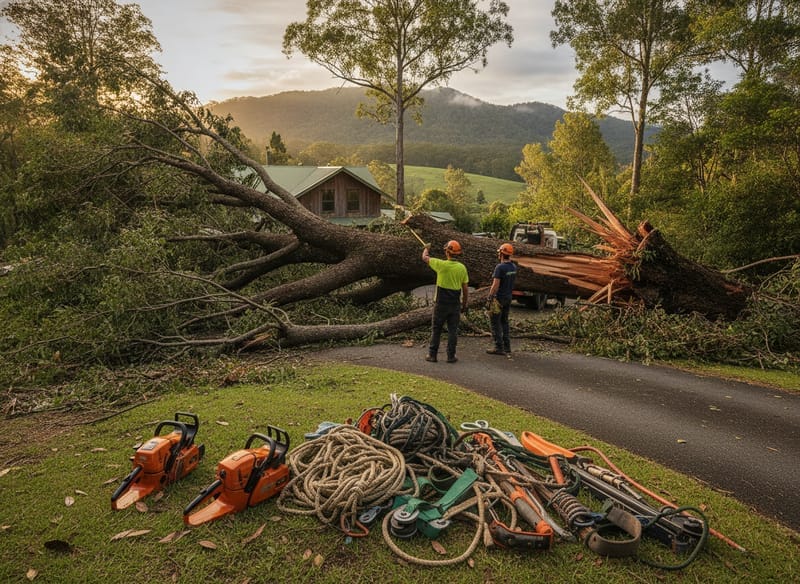
Clear away dangerous debris to restore safe vehicle and pedestrian movement around your home.
Complete post-storm cleanup, limb clearing, and safe dismantling of damaged trees in Avoca
Post-storm tree cleanup across Avoca, Millbank, Branyan, and Bundaberg
Our Storm Damage Tree Removal Avoca service provides comprehensive post-storm recovery, clearing fallen limbs, fractured trunks, and heavy green waste.
Severe summer storms and cyclone rain bands crossing the Bundaberg region frequently bring sudden downdrafts that shatter brittle branches on local jacarandas, poincianas, and back-garden mango trees. We specialize in clearing these large, sprawling debris piles quickly and safely.
Clear away dangerous debris to restore safe vehicle and pedestrian movement around your home.
Remove fractured and hanging branches that could fall without warning days after the storm has passed.
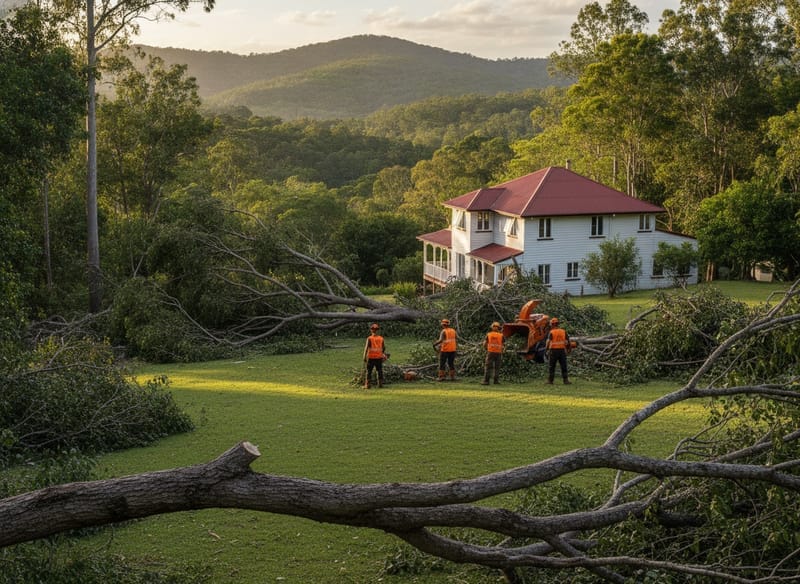
Transform messy storm debris into neatly processed wood chips and clear open lawns.
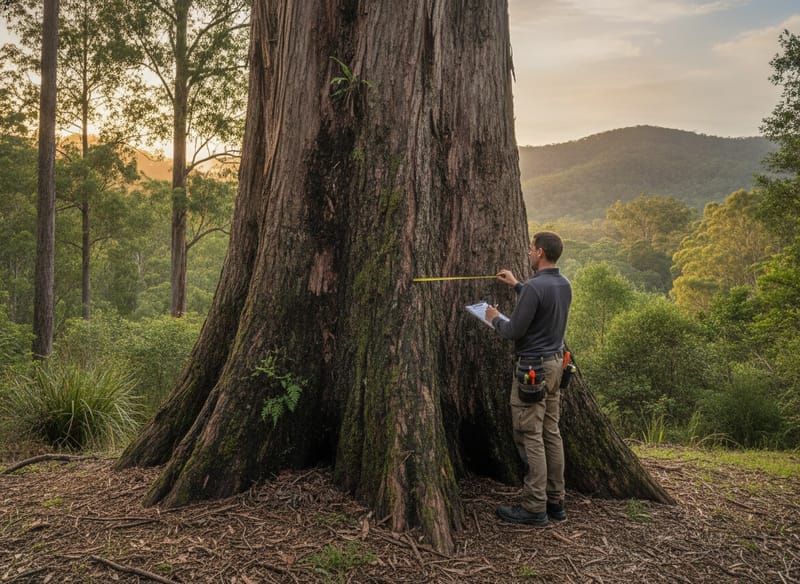
We walk your grounds to identify all storm damage, hung branches, and structural tree splits.
We photograph the damage and outline the required cleanup steps for your records.
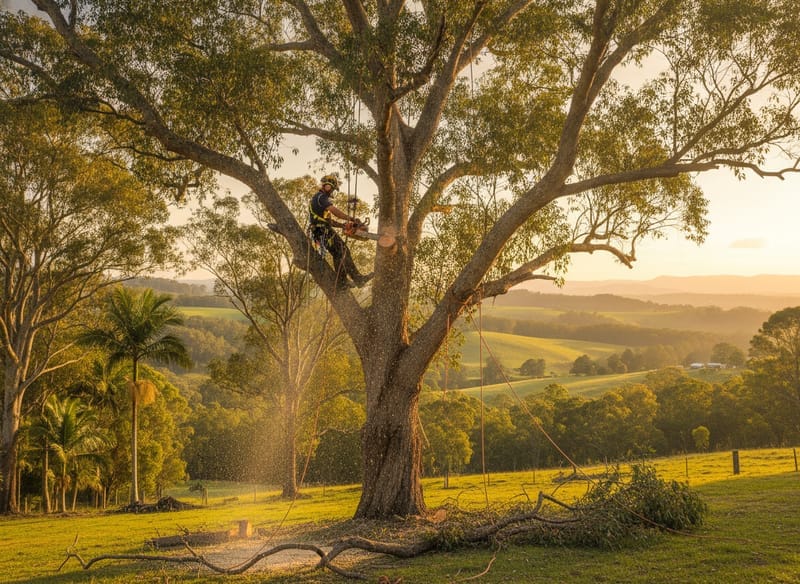
Our arborists dismantle split branches and fallen logs using controlled rigging.
All debris is fed into our chippers and hard surfaces are blown clean.
When summer severe weather, east coast lows, and cyclone remnants hit the Burnett region, established suburbs often bear the brunt of the impact. If high winds and saturated soils have brought down timber on your property, our team provides swift, reliable Storm Damage Tree Removal Avoca residents can trust. Avoca is known for its classic post-war brick homes and large, mature backyard trees planted decades ago. While these established canopies offer excellent shade in our subtropical climate, heavy summer rain can rapidly soften the flat flood-plain ground. When extreme winds follow days of torrential rain, it frequently causes massive root-plate failures and snapped branches across the suburb. It goes to the top of the list to make your property safe, prioritizing emergency jobs where trees threaten your home, fences, or access points. Whether you are dealing with a shattered Mango tree resting on your shed, or a massive Cocos Palm that has failed at the base, our arborists have the heavy equipment and local experience to clear the hazard safely. As a proud Bundaberg business, we understand the urgency of storm recovery and operate efficiently to get your property back to normal.
Tackling a fallen or fractured tree with a hired chainsaw is one of the most dangerous jobs a property owner can attempt. Storm-damaged timber behaves entirely differently than a healthy, standing tree. Snapped branches, wind-thrown trunks, and suspended canopies are often under immense twisting forces, creating dangerous tension and compression wood. One wrong cut can cause a heavy log to spring back, roll unpredictably, or split violently, putting the operator at extreme risk of severe injury.
Furthermore, DIY cleanups frequently result in catastrophic secondary damage to property. A hung-up limb may seem stable until it is disturbed, suddenly crashing through a roof or taking out adjacent powerlines. Under-qualified operators often resort to unsafe lopping practices just to clear debris quickly. This approach damages surviving trees, leaves large stubs, and promotes weak epicormic regrowth that will simply fail again in the next storm.
Our team handles every storm cleanup with the strict discipline required by AS4373 (Pruning of Amenity Trees). We understand the physics of fallen timber and how to safely release stored energy from hung-up limbs. By choosing our qualified climbing arborists, you ensure the hazard is eliminated cleanly and systematically, protecting both your family and the structural integrity of your Avoca property.
We deploy highly specialized equipment and advanced rigging techniques to safely manage everything from suspended branches to massive, uprooted trunks in confined suburban spaces.
We assess the property to prioritize structural hazards. Trees threatening houses, live powerlines, or critical driveways are secured or dismantled first. We establish a safe working zone, isolating the most dangerous timber to prevent immediate property loss before full processing begins.
Fallen or tangled trees hold massive amounts of stored kinetic energy. Our AQF Level 3 arborists utilize advanced chainsaw techniques to safely read the wood, making precise release cuts that neutralize the tension without causing violent kickbacks or sudden trunk splitting.
For standing trees with shattered canopies or hung-up limbs, we utilize elevated work platforms (EWPs) or advanced double-rope climbing techniques. This allows us to safely access damaged crowns and lower broken branches piece by piece using friction devices, ensuring heavy wood never free-falls onto your roof.
Storms generate massive volumes of green waste. We utilize high-capacity 12-inch wood chippers, skid steers, and heavy-duty tipper trucks to process large fallen Mango, Jacaranda, or Eucalyptus limbs directly on-site. We haul away the bulk debris, leaving your yard clean, accessible, and hazard-free.
Managing sudden storm debris requires a calm, highly systematic approach. When you call us for an emergency call-out, our primary focus is securing the site and preventing any further damage to your home or infrastructure. Step 1: Assessment and Priority Triage Our arborists conduct a thorough walk-around of the property, inspecting the damage and tagging trees by priority. We identify hung-up branches, split trunks, and lifted root plates, clearly communicating which trees pose an immediate threat (Priority 1) and which are secondary cleanup tasks. Step 2: Transparent Quoting and Insurance Documentation Dealing with insurance companies can be stressful after a storm. We provide a highly detailed, itemised quote breaking down the scope of work for each specific tree. Our team takes extensive before-and-after photos and written justifications, ensuring you have the exact documentation required to submit a swift and successful claim to your insurer. Step 3: Critical Make-Safe Operations We execute the most critical hazard reduction first. This involves cutting away suspended limbs, safely lowering shattered branches off your roofline, and stabilizing uprooted trunks to eliminate the danger to your family and property. Step 4: Full Removal and Site Cleanup Once the immediate hazards are neutralized, we systematically dismantle the remaining damaged timber. Trunks are blocked down into manageable pieces, branches are fed through our industrial chippers, and all green waste is hauled away in our trucks, fully restoring order to your Avoca yard.
Storm cleanup is high-risk, unpredictable work, and our business is fully public liability insured and covered by WorkCover to protect you, your property, and our crew on every single job. Our emergency team includes highly trained AQF Level 3 climbing arborists who manage all hands-on felling, aerial dismantling, and chainsaw operations. We strictly adhere to AS4373 (Pruning of Amenity Trees), ensuring any surviving storm-damaged trees are pruned cleanly to prevent decay. If structural failures require formal risk assessment documentation for the local council or your insurance provider, we can supply detailed reports from an AQF Level 5 consulting arborist to fully support your claims and ensure total compliance.
Avoca features distinct post-war brick suburbs with large, fully established backyard trees that were planted decades ago. After a severe subtropical summer storm, we frequently see massive limb drop and structural failures from mature Mango trees, Jacarandas, and towering Cocos Palms. Because these properties often have narrow side access and are tightly fenced, maneuvering heavy machinery can be difficult, requiring our team to rely on precise rope-access dismantling rather than simply dropping the timber. Navigating local regulations is also critical during storm recovery. While Avoca is generally outside the strict coastal overlays, properties near local waterways may fall under the Biodiversity areas overlay code outlined in the Bundaberg Regional Council Planning Scheme 2015. Crucially, following the devastating Burnett River floods of March 2026, a state disaster clearing exemption is currently live for the region until 9 March 2027. This specific exemption allows landholders to clear fallen trees and woody debris to prevent property damage without enduring a lengthy council approval process. We can help you appropriately photograph the hazard before work begins and keep a written justification to ensure your emergency clearing remains fully compliant with the law.
Once the emergency cleanup is complete, it is essential to monitor the trees that survived the storm. The heavy subtropical rains thoroughly soften the Bundaberg soil, making remaining trees highly susceptible to shifting. Watch closely for soil cracking around the base or sudden changes in the trunk's angle, which strongly indicate a failing root plate.
To protect your home ahead of the next wet season, call our team in spring to schedule proactive canopy maintenance. Selectively pruning your trees and removing heavy deadwood reduces wind resistance in the canopy. This is the single most effective way to prevent future storm damage and keep your property safe year-round.
Storm cleanup costs in Avoca depend on the volume of debris and the complexity of removing damaged limbs.
We provide clear, fixed written quotes for all storm damage tree work following our on-site inspection.
We provide post-storm tree cleanups across Avoca and neighboring Bundaberg districts.
Contact our qualified arborists for professional post-storm tree cutting and debris clearing.
Request a Free Quote